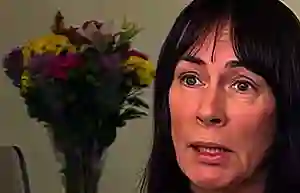
The following is a transcript of the video with headings introduced:
 Introduction
 Introduction
Anna Ross: I’m Anna Ross. My background is as a clubber, so in the late 1990s, I sort of found ecstasy and the club scene, had a wonderful time, and got really heavily involved in harm reduction, particularly with psychoactive substances. We weren’t really focused on opiates; we were focused on club drugs and going out to free parties, providing a safe space for chill-out and things like that.
So, I was sort of a clubber, and I was working in catering and doing all of that kind of stuff. From that, I developed a passion because what I was seeing made me want to go into support work. In support work, you work with people who are homeless and have problematic substance use.
I saw this dichotomy between the people I was using substances with for pleasure versus the people I was supporting, who were allegedly using substances problematically. There was the beginning of my understanding of the structural impact of drugs policy on the way you use drugs.
Transition to Advocacy
Because I became really passionate about that, I went into Crew 2000, which is the drug policy reform organization, and then I went and did a law degree because I wanted to become a criminal defense lawyer and defend against the awful drug laws. But I didn’t get a traineeship and went into academia.
I started my PhD on drug policy participation, focusing on the role of drug users in the development of policy in Scotland. The idea behind that, one of my supervisors was an expert in deliberative democracy and participation methods. I set up a group called the Scottish Drug Policy Conversations, and the idea behind that was to bring in multiple stakeholders.
Traditionally, when you’re talking about drugs, you have the government, the police, the medical professions, and then very rarely you’d have your token people in recovery—generally speaking, those who’ve been off drugs for 20 years and are drug-free. They’re over there to tell their story, and I found that really problematic because for me, my experience of drugs was always very positive. Well, not always, but you know, I’ve seen a lot of positives.
Shifting the Narrative
So, with the Drug Policy Conversations, we tried to bring all of these stakeholders together to actually shift the narrative and go, “Look, loads of people use drugs; loads of people enjoy using drugs.” There’s a small section of society that has major issues with a certain kind of substance, namely opiates and pain relievers. We all know why that happens; you know, it’s deprivation, it’s trauma, it’s all this kind of stuff.
We need to widen the conversation out because if we accept that drug use is normal within society, we can then focus on this smaller group and say, “Well, actually, that’s not the drugs; what’s causing that is something else—that’s the policies, that’s capitalism, that’s a lack of investment, that’s a lack of connection.”
Engagement with Government and Research
So, we created that group, and it was really powerful. That’s when, around that time, I met Fiona, and we sort of started working together quite closely. I continued my PhD, and as a result of my PhD, I became quite heavily involved in the Scottish government. I became a representative on their lived and living experience groups. I became a real thorn in their side, constantly saying, “You’ve got to think about us; you’ve got to think about us.”
Yeah, I just developed connections. As a result of my engagement with all of this, I also was a special advisor to the UK Select Committee on Problem Substance Use in Scotland, and that was interesting. What was interesting about that was we still had to focus on problematic substance use, but initially, it was like an inquiry into drug use in Scotland.
This is, I guess, just an example of this tiny narrative shift, which is like, “No, it’s not an investigation into drug users in Scotland,” because then you’d be investigating all the people that took ecstasy or smoked cannabis or enjoyed a bit of cocaine at the weekend. No, you’re looking at people who have habitual dependent opiate use, so we were able to change the focus from drug use to problematic substance use, and that was quite important for us to create that narrative.
Fiona Gilbertson’s Perspective
Fiona Gilbertson: There’s been a lot of sex worker rights journeys, and I had been really blessed to be part of, or honored to be part of, the HIV community, which we didn’t realize was how incredible that was as a movement when we were there, you know, ACT UP and all the rest of it.
Then I’d taken a step back and had been doing all different things with my life. I was part of the recovery community at the time, and I watched a film called “The House I Live In.” The fire that it created in me, the rage I felt when I watched that film, because I had always thought about drug use in my life and my friends’ lives as if we were exceptional.
Then I realized that actually, this was a designed policy created to criminalize certain drug users of certain classes and certain types of drug use. I thought back about all the people who died or the unnecessary deaths that we put down as drug dealers when they were actually created by state violence and state stigma. You know, we all talked about, “Oh, I feel really ashamed,” and it’s like, “You were stigmatized,” and that’s a deliberate state policy.
Reframing Narratives
So, I started speaking to my friends who had survived, and we started reframing our stories—not about being problematic substance users, but you know, “I might have had issues, and I might have overused certain substances, but let’s talk about the time that the police beat us or women subjected to violence.”
Where do you go when it’s the police that have actually said, “Should we assault?” Or my friends who spent years and years in prison—these beautiful, sensitive people who spent years in prison—we’re sitting in Edinburgh, which is the capital of Europe. It was created by that policy, a deliberate policy. The state agents, the police, talked about it like they enacted it out on people who were using drugs, and we became the AIDS capital of Europe.
The Focus on Policy Change
So, that was all stuff that I had been in the middle of and not realized was policy-driven. Recovering Justice was about how we could change the policies and what the peaceful solutions could be. At the time, a lot of the rhetoric around problematic drug use was, “You know, I took drugs; I became a really, really bad person.” Now I don’t take drugs, and there was also this thing—you know, “I smoked cannabis at 12 and then I was a heroin user at 18.” We tried to change that narrative. I think we were successful in some ways.
Ten years later, I’m still a little disturbed that the rhetoric is, “You know, I wasn’t a bad person; I was a really sad person; I was a really traumatized person.” I mean, I have to say, and I know my colleagues feel the same way—sometimes you sit in a conference and it’s like, “[expletive], I’d just rather be bad.” I didn’t know; I might have had some agency then, but we’ve done this thing where we’ve pathologized the lives of so-called problematic substance users.
You know, it’s like, “If we can just tell you how traumatized they were when they were five years old or this terrible event happened to them, and now they’re taking drugs.” As Anna says, what that does is it bypasses that we’re now in late-stage capitalism. If you’re not traumatized, you’re not [expletive] paying attention. You know, if anybody’s not traumatized, like, “What’s wrong with you?” You know what I mean?
Critique of Conventional Narratives
This idea that we’ve now become responsible, productive members of society, and again, if you’re well-adjusted in this society, you know, you shouldn’t be. We should all be out making trouble. So, I was starting to become a little disillusioned within the space.
We were constantly getting asked, “You know, tell your story.” People did not want to hear me speak about drug policy reform. They would say, “Talk about this; talk about that; would you talk about this?” because it’s sensational, and it creates an energy, but often not an energy that gets us in the room to make the changes. They just wanted our stories.
The Call for Change
Anna Ross: Fiona and I had huge… that’s why I met with Anna, and she was like, “Yeah, I absolutely get this. How do we make a space where we are the change-makers rather than just the sad stories that somebody’s going to put on a podium?” There’s a couple of things—pathologizing drug users has become the norm; nobody’s questioning it. It has been done over and over and over again. We often do that in spaces where there are police who have done utterly horrific things to people.
Horrific things. They’ve ruined people’s lives; they’ve destroyed students’ lives. They’ve arrested men in front of their children, screaming, and taken them off to prison for six years for cannabis. Nobody says, “What happened to you in your childhood that you became part of this and managed to stay in this and torture people for smoking pot?” Or “What happened to you as a politician that made it okay to make benefit cuts to such an extent that people are dying and committing suicide?” Those are not the conversations that we ask other groups of people, so why do we do it with people who use drugs?
Flipping the Narrative
I don’t think we should. I don’t know if you should ask anybody those questions; I think they’re personal, deep questions that you probably should do in a psychiatric context. What we decided to do was flip the narrative. Instead of looking at what our supposed weaknesses are, we asked, “What are their strengths?” This idea that drugs are bad—it was like, actually, there are no good or bad drugs; there are just good or bad policies.
So, when we flipped that, then we started saying, “Actually, here are some substances out there that could be part of the solution.” That’s when we formed Recovering Justice. I became part of that, but then I realized it wasn’t the space. We created this Scottish Psychedelic Research Group, but it was also this frustration at this con—and it’s exactly that—the pathologization of drug use.
It was this frustration that every time you walk into a room when you talk about drugs, it’s about the harm. It’s about how do we prevent the harm of drug use? How do we prevent, like you say, these poor drug users? Even within the medical cannabis space as well, and the other spaces, the thing that really fired Fiona and me, I think, to move away from the narrative of harm and into the narrative of pleasure and the narrative of normalization was this frustration. It’s like, you know, everyone always talks about poor drug users—this lack of autonomy. It’s like, “Well, actually, people are using these substances because they’re working.”
Personal Experiences with Substance Use
You know, I come from an environment where I’ve used multiple substances. I haven’t had an opiate dependency, but I’ve been in a relationship with somebody. There is something, you know, which is different between opiate dependency and, say, for example, a cannabis dependency. There are differences, but I also know people who have used opiates regularly at the weekend for most of their lives without a problem. It’s really dependent on the individual.
So, yeah, we just wanted to flip the narrative, really, and I think one of the big things that gave us the freedom to do that was the OSF funding. We got funded from the Global Drug Policy Program, and that was just—oh my God—that was like a sort of, you know, when you approach the OSF on your own because I was a mum with two children, I was passionate about this subject, and I was doing all of it, but I was like, “[expletive], I need to get paid; I need some money for this. You know, I can’t do it anymore.”
Empowering Community Voices
So, I approached them, and I had several meetings with them and stuff, and it was just so empowering because they just went, “We see you; we see what you’re doing.” You know, I’m not this big organization; we’re not this massive kind of government-run organization or anything; it’s just two people, you know, who want to make a difference, who are having these little conversations. They went, “Yeah, well, thank you; just go and do it.” So we’ve had two parts from them, and it’s really kind of actually enabled us to do this, what we call soft diplomacy work.
We’ve had three events that have taken place over the last three days, and the reason why they’re so important is Fiona and I have spent the last five years setting up the networks. It’s things like being a thorn in the government’s side by constantly emailing so that they know our names; they listen to us when we talk. But that’s taken like five years of always being on the scene, always being the ones that are just going to give that different voice, which means we’re now listened to.
The big push that we’ve had for these past three days is to try and get the community because it’s been quite difficult to galvanize the community in the sense that it’s disparate. There are a lot of different people. Like I say, there’s the harm reduction community, and that’s all quite set up.
Collaboration with Government and Media
The Scottish government has been very good. I’d like to say that Fiona and I feel we can get a little bit of—I mean, it was on its way anyway with the Scottish Recovery Consortium, so they were really focused on lived experience and really wanted the lived experience voice within policy. I joined one of the groups and was really a champion for not just opiate use, but all use, and not just 20 years in recovery, but you know, recovery is whatever you want it to look like.
That voice was kind of hard, but I like to think we’ve been on the outside skirts of it, just shaking the narrative. I mean, like, Fiona, for example, was instrumental in getting the Daily Record on board to call for the decriminalization of drugs. I mean, that’s unheard of! The Daily Record is the most well-read newspaper in Scotland. We did that on the back of lobbying politicians but couldn’t speak to them, and they’d say, “Look, I completely agree with what you say,” but the Daily Record—you know, the first time you hear that, you think, “Oh, that’s a bit weak.”
Then when you keep hearing it, you realize actually, they work for their constituents who read these papers. That’s when we went to the Daily Record and said that we’d like to take this course out from the harm context. But it’s quite difficult, right, when the media is full of reports of people dying of overdoses, and as far as I know, there is this surge of overdose deaths in Scotland. So, there is. But this is why we’ve focused on cannabis and psychedelics, which includes MDMA, because this focus on harm is all around opiate use. You can’t really get away from it; it’s very difficult.
The Importance of Narrative in Policy
What I’ve learned from the policymakers and from all of this is you need to create a story; you need to create a narrative. The narrative in Scotland is very much, you know, we have these exceptional drug deaths. You know, there are all these people dying from opiate use, and where our narrative comes from that is, like, “Well, that’s, as you say, late-stage capitalism.”
You can sit there and come up with all these different ideas, but the reality is that it’s an intergenerational problem that’s not going to go away. Where we come in and where we want to do it is that actually, you know, psychedelic medicine, for example, is probably showing some of the most powerful evidence of how to address the trauma—which is not just childhood trauma; because actually, a lot of the trauma comes from adulthood of having to engage in drug-using communities that are criminalized and therefore have these really violent structures within them.
Addressing Community Trauma
There’s a lot of trauma created through that. You and I had a lot of conversations around it when we first started this work. The space wasn’t created, and now there is a Drug Policy Task Force. What we realized is, okay, so we held the space till the people turned up. They turned up, and then what we’re good at is creating new spaces. Rather than, you know, the experts are all there. I’m not the expert in that, and neither are you, and we don’t want to be. Hopefully, that issue will get dealt with appropriately.
What we did want to see was that this space is not getting talked about. One of these solutions could be psychedelic-assisted therapy and cannabis. I mean, yesterday at the event, we had several people who were really, really forceful about nobody’s talking about cannabis for addiction. I’ve met several people at the cannabis event yesterday who have stopped their alcohol addiction by using cannabis.
So, it’s just, you know, yes, it’s a Monday, Tuesday, and Wednesday—the three events that we’re having. But Monday and Tuesday in particular were about community building and about going, “Right, okay, we’ve been on this tip for you for the last few years, and we’ve been funded to create this space. You know, we’ve done a lot of the back work; I’ve got agreement from the Scottish government that they will engage on anything to do with cannabis. We’ve had meetings with the Scottish government about psychedelic-assisted therapy.”
Building Coalitions and Networks
You know, we’ve had meetings with the Chief Scientist Office. All of the networks are in place, but what we don’t have is coherent community. So, you know, we set up the Scottish Psychedelic Research Group a year and a half ago, and that’s definitely coming along.
I mean, we have a board of four people now, but this event just showed us that we’ve got a real team of folks that want to do it, and I’m really excited about it because they want to run with it. Our event on Monday was about bringing the community together, and we made a call for more participants for the SBRG because we don’t want this kind of, like, “Right, we’re on a board, and then we’re going to get everyone to do that.” No, their voices are the ones that need to be heard.
Similarly, I mean, yesterday, the cannabis one was probably the most powerful because there’s a real danger with cannabis that it gets implemented from the top down. Luckily, as a result of being the secretary to the Cross Party on medicinal cannabis, I’m a bit of a gatekeeper towards pharmaceuticals.
But what we’ve discovered now is we were approached by various large pharmaceutical companies to engage with the Scottish government, and we said, “Well, you can be members of the Cross Party, but we’re not giving you special treatment.” I haven’t really heard anything much back from them, but what we have found out is that they’re now approaching individuals within health boards to use their synthetic cannabis drugs for trials. So, they’re bypassing the Scottish government and getting into the medical community.
Urgency within the Community
There’s a real sense of urgency within the community at the moment of, “We’ve got a voice; we want this voice to be heard.” You know, yesterday in the room, we had some people there—it was fascinating, and I hope we caught this back in the feedback—but I had some people there who’ve been involved in all the medical cannabis kind of startups around the world, and he was just a bit blown away and flabbergasted because he was like, “I’ve never actually been to an event like this.” I don’t actually know what was different about it because Fiona and I are used to doing these kinds of events, but I think what was different about it was we leveled the playing field. You know, so there weren’t any experts and stuff; everyone in
the room were experts, whether you’re a cannabis user, a patient, or somebody who was growing. You know, we had a bunch of guys there who have the first-ever legal cannabis cultivation. We had top neuroscientists and all this kind of stuff. So, we had a range of all these so-called elite positions all the way down to folks who would consider themselves just a bit of a cannabis user, but they were all sitting at tables together, telling their stories about why they were passionate about cannabis.
The Energy of Collective Voices
Oh man, I mean, the buzz in the room was just beautiful—absolutely beautiful. But the other thing that we’re really wanting to do, and this is where I get excited and it gets a bit weird, is within the cannabis and psychedelic community, there is a growing understanding that the concept of health and well-being isn’t just about a Cartesian model of, you know, “Doctor knows best,” and that kind of thing.
What we’ve been doing in our events is also bringing in an element of the sacred. Not bombarding it with, “Yeah, we’re all going to sit here and do joss sticks and sing Kumbaya,” but just recognize that we’re dealing with a different way of thinking—we’re dealing with a different way of being. We’re trying to connect that kind of mass faceless institutional personas that most people put across when they engage in these spaces and bring everyone down to the human level.
That seems to have worked; it seems to have worked. One of the things—I’m sorry, one of the things that I love is, as the Scottish Psychedelic Research Group, we’re all open about the fact that we take psychedelics; we’ve used them, and we’ve used them for healing; we’ve used them for pleasure. We’re out about that, and so many organizations will skirt around it.
Most of our events, we try and create events, and not everybody obviously can safely talk about that. But when Colonel Hart put that book out and talked about it, I think we’re in the next phase. I really hope we’re in the next phase of drug policy because I’ve got most of my best drugs from harm reduction conferences—from being in the harm reduction movement. You know, I mean, I was 20 years in abstinent-based recovery, and then I met all these incredible people who don’t talk about the fact that certain substances have transformed them as human beings.
The Future of Drug Policy
Hopefully, with Scotland and this organization, we will be able to safely talk about that and not be the lunatic fringe. I got a Winston Churchill Fellowship, and then they gave me more money. Winston Churchill, or the Churchill Fellowship now, they’re really—you would think they’d be very conservative. I said I want to create some space in Scotland where we can create an equitable cannabis market and bring psychedelic-assisted therapy to Scotland, and not in the way that it’s been done in other countries—not where you have big pharma and big capitalism.
I put the application in, and I thought they’re going to just not even get back to me, and they got back to me. They gave me some money to do that, so that’s some of the funding that I got. I feel that there is a cultural change, and hopefully, we do not end up with this psychedelic industrial complex because we know where some of the funding’s coming from, and it’s really dark.
We’re a really small country, and hopefully, we’re small enough that those big beasts will stay away, and we might be able to create our own hemp farms. We will! We will! Yeah, that surgery, and the people who were already in the room yesterday—some of them are creating the most beautiful, thoughtful medicines.
They are working underground, taking huge, huge risks to heal people. They’re running—there are people who’ve had a whole lot of experiences themselves who are now saying, “People can’t afford to do a five-thousand-pound psychedelic retreat. Even if they could, they don’t want to be sitting with a bunch of hedge fund managers; they want to be sitting with their own community.”
Reclaiming Indigenous Practices
So, we were wanting to create a space where that becomes something that you will not risk state agents bursting in and breaking up and putting people in prison for and removing children for. I really hope that Scotland could achieve that, and it’s just how do we shape that narrative, and how do we change it so that the government sees?
The first time I spoke to somebody who was running one of the biggest drug organizations, when I said to him about psychedelics, he just laughed and was like, “Oh my God, you’re just on it again.” Now he understands the power of these medicines to help in all sorts of different issues.
The Dangers of Increased Visibility
So, there’s a massive danger. We’re in a very, very interesting period where we’re starting to get noticed as people who are creating change, and that is a dangerous thing almost because it’s like this has all been kind of behind the scenes, you know, with the underground, just creating networks and stuff like that.
But the moment that you start becoming people are like, “Oh, this is interesting what they’re doing.” Like I said, we had somebody there yesterday—she was like flabbergasted, didn’t know. I mean, am I allowed to say it? It was like a spare prick at a party. You know, she didn’t know where she sat because within these industries, there’s a whole bunch of middlemen—generally speaking, men, white men.
Sorry, not nothing, but those who have made a business of trying to connect governments with these industries. But what we’re trying to do, or what we are doing, is not about connecting industries with the government, but connecting the voices of the people who use.
What was beautiful about yesterday’s cannabis stuff was that everyone in that room had a relationship with cannabis of some sort. It doesn’t necessarily mean that they used it, but they used it in the past. It was a passionate relationship with cannabis. It wasn’t about money; maybe there were a couple of people that obviously wanted to make a buck, but it was really about, “We’re in Scotland, man; we have the talent to do this. We have everyone behind us, you know, and we can do this.”
The Role of Experiential Drug Use
I just wanted to go back, actually, to something you’d said earlier about the narrative. When I started my PhD, one of the first articles that I wrote was called “The Role of Experiential Drug Use in Drug Policy Research,” and it ties right into what Fiona was saying. I went and presented this at the Australian International Drug Policy Conference.
Anyway, it made a lot of waves and created a lot of conversation because so many people within the drug policy arena use drugs but don’t admit to it because they feel that it would somehow discredit them. You know, for example, yesterday one of the people was saying, “Oh, you should think about using the term cannabinoids instead of cannabis because there’s a negative link to cannabis.” I’m like, “No, that’s playing the game. That’s like buying into the narrative that they want you to create, which is you can’t talk about this, but you can talk about that.”
The Challenge of Stigma
You know, cannabis—I love cannabis. It’s a beautiful, beautiful substance, and it’s been around for hundreds of thousands of years. Why would I shift that term in order to make it more appealing to policymakers? I mean, I do understand that concept, but this is the kind of thing that fired me and Fiona up because it’s like, “No, we’re just pussyfooting around; we’re playing.” You know, the concept of recovery having to be drug-free—well, so many of them aren’t drug-free because they’re taking prescribed drugs. So what does that mean? Or they’re smoking cannabis; you know, all of these kinds of languages that are masking the reality of what’s going on.
Personal Risks and Academic Integrity
So, that was that, but I got recommended by my supervisor at the time to not come out as a drug user because they said that it would impact my chances. But I could not in good conscience write about drug users as if they were somehow other. So, I took the risk, and I added my own experiences, and all of my publications have me coming out. I still got a job, and I’ve now got a permanent lectureship. I’ve got a feeling they’ve not actually read any of my publications, but I acknowledge the fact that it’s incredibly brave that you do it, not just as an academic but as a mother.
Navigating Public Perception
Fiona Gilbertson: As a mother, yeah, I mean, Jesus, you know, like it’s kind of… yeah, it’s scary, but I feel supported because I feel that, well, yeah, I don’t feel too scared anymore. But I do wonder, you know, at times if I become more public about it because at the moment, like I say, Fiona and I have been skirting around the edge, and that’s getting around the edges in the underground, you know?
We’ve been in the background going, “You go forward.” We’ve been trying to put people forward, so this film, in fact, is probably one of the first times that we’ve decided that we’re going to actually put ourselves at the front and go, “Okay, we’re here.” But I don’t want to be at the front. I mean, it’s not about us being at the front. The whole point of this is to create a collective voice, and that collective voice doesn’t need to be saying the same thing.
Core Values of the Movement
But it fundamentally needs to be based on this concept of social justice, humanity, human rights, and equity. You know, and that’s a core energy that we’re going for, the core energy. I really think it will work, and it can be really scary. I mean, as somebody who didn’t use drugs for a very, very long time, I had lost my fear of the police. I know, as somebody—I am vulnerable, yeah, and I don’t like them, and I’m frightened of them. So, I’m very, very cautious, and we want to create safe spaces so that people are
safe from those people because they’re dangerous people, yeah? And they’re violent. I mean, and they’re self-confessed. I mean, our Metropolitan Police have just had to say, “We’re misogynistic and violent, and we’re not safe for women.”
Personal Experiences and Societal Concerns
So, it was a really big shift for me, and the shift was really bizarre because my friends would say to me, “Are you worried that you’ll become hooked on drugs again?” I was like, “No, I’m actually really worried that I could have some really big violent man come into my house, and I would lose my autonomy.”
The State of Drug Policy in Scotland
Anna Ross: Yes, it’s really… to be fair, I just need to say, to be fair, like in Scotland, please. Scotland, yeah. England, yeah. They’ve been—I mean, I’m sure there are loads of incidents where you could say they’ve been awful. Like, for example, cannabis possession—like, we have de facto decriminalization where cannabis is… I’ve dealt with a minor police warning, so the police just give a slip of paper. If they’re not caught again within, I think, three to six months, then it’s let off. But despite that, over 50% of all possession charges are with young men between the ages of 18 and 24.
On top of that, it’s in houses. So, it’s all well-known; you know, the police know who they’re going for. I’ve spoken to some of the guys in the police about this, and they feel their hands are tied. But we have got better dialogue with Police Scotland.
I mean, I think this is why Scotland is quite exciting to be in at the moment because in regards to our engagement, we have good engagement with Police Scotland, we have good engagement with the Scottish government, the Crown Office we don’t have such great engagement with, but they won’t engage with anyone because they want to be independent. But, you know, there are avenues of dialogue that don’t exist at a UK level.
Opportunities for Change in Ireland
Excitingly, I just found out this morning that Northern Ireland or is it Ireland are going to be holding a Citizens’ Assembly on drugs policy, and that’s something that we can really, really help with. Now that they’re doing that in Ireland, it could be something that we do in Scotland. Although, to be honest, a Citizens’ Assembly? Yeah, yeah. I actually was thinking about—I’m not sure. It’s like I’m more interested in the voices of the drug users and the people who have the experience of this.
I know it sounds slightly exceptionist, but you said earlier, you know, everyone involved in the psychedelic community has tried psychedelics. There could be an argument against that, saying, “Well, you know, what is exclusionary?” It’s not including people who don’t have that experience, and therefore all voices should be involved. But I have no problem excluding the voices of those who have not used substances in this conversation because the reality is it’s not about those voices.
Prioritizing User Experience
It’s not about what they think or care or feel about; it’s about us. It’s about how we experience the substances and how we experience that community. There’s dialogue to be had, but it’s just interesting because in doing that, you know, the model with the opiate and the harm thing is that you’ve got the GP, you’ve got the medical professionals, you’ve got the treatment providers, you’ve got all these people, and in a million years, you’d never expect them to take methadone or any of the treatments that they’re prescribing.
They will always see their clients as the drug user and me as the professional or as a policymaker. But within the cannabis and psychedelics movement, the level playing field—or at least that’s what we’re creating—is we’re creating a level playing field, and that’s really getting felt.
Upcoming Events and Collaborations
We’ve got a series of events coming up as well. I mean, we’ve got in June; we’re hoping to be collaborating with David Nutt. I don’t think he doesn’t actually know this yet, but his publisher knows on ethics around psychedelic medicine in Scotland. We’ve got a three-day exhibition in the Scottish Parliament at the end of September, culminating in an event.
The idea behind that is to bring the art. The other thing as well, which is really fascinating about this, is there are a lot of creatives involved in psychedelics and cannabis as people who have used those medicines, and it’s done them good. They want to create art out of it, so we’re like, “Well, how do we include those voices in the policy discussion?” And how do we make sure that they’re included?
Inclusion of Underground Practitioners
Another thing I’m absolutely passionate about is getting the people who are already growing and dealing involved. I haven’t really worked out ways to do that confidentially, but there are people engaged who do engage in that. They’re just not able to talk about it. But as we move towards actually policy development proper, we need to bring those people in.
You know, they’ve tried to do it—I mean, I understand they tried to do it in New York, but they didn’t really get it together. But you can see around the world that people are trying to create legislation that does have this social justice element to it and retribution, restorative element to it. We can learn from those, but then we can create our own specific score.
Emphasizing Historical Context
The other thing we’re tapping into is this energy of old medicine. The narrative is always like, “Oh, look at this new medicine.” You know, psychedelics—new medicine; cannabis—new medicine? No, no. In Scotland, cannabis was grown for hundreds of years, if not thousands. I mean, they’ve found seeds. It was a staple of all of the monasteries, you know, particularly with Celtic Christianity, which was deeply spiritual.
We have oral history; we don’t necessarily have physical evidence yet of the use of liberty caps, but I mean, come on, like, you know, they grow all over Scotland, and our Celtic shamanism is very similar to many of the Siberian shamanistic things. It is without a doubt we used psychedelics.
Reclaiming Indigenous Knowledge
What we’re trying to talk about is not bringing in a new form of substance use but reclaiming. We don’t know what that looks like because we don’t have the lineage, or at least we don’t have the physical obvious lineage because they were all killed and burnt in the witch trials. The intelligence of the plants will kill us.
The intelligence of the plants and the earth and the community—I mean, the people that we’re meeting, you know, everyone has this slightly special link to Scotland, and there’s just this buzz about how we’re going to bring back the indigenous use of these medicines. I mean, the Amanita mushroom—Amanita muscaria—grows all over Scotland, all over the North, and it’s one of the ones that we’ve not had a discussion about. We hope to have a really sick, really in-depth discussion around how many have been used for years and years.
The Science Behind Natural Medicines
They hit the GABA receptors. One of the biggest factors in drug deaths in Scotland is gabapentin, and oh wow, I didn’t know that myself. Doctors are prescribing the substance, which is actually highly toxic, and we don’t really know what it’s doing when it occurs naturally in these mushrooms. We know people who are now relearning that medicine. It can be used as a tonic on the skin and have the same impact as these highly toxic, highly dangerous drugs. Yeah, you can pick this thing from your sacred ground and make this ointment. I mean, these are the stories that we want to bring forward.
The Loss of Traditional Knowledge
Anna Ross: Yeah, otherwise, they’ve been stolen. I mean, obviously, like, the medicines were taken in Roman times, I suppose. We’ve lost a lot as healers. We’ve lost a lot, yeah. But there… and it does sound kind of weird, but the plants tell you.
Fiona Gilbertson: Yeah, there’s an intelligence in those plants. You take them, and they tell you what they need us to do.
Regulatory Considerations
Anna Ross: So, my understanding is that you are very skeptical about the mainstream medicalized model of…
Fiona Gilbertson: It has to be part of it, obviously; it has to be part of it.
Anna Ross: But what kind of system do you envision? Do you have any ideas about how the government should regulate this field, if it should regulate? How can we make sure that, for example, it is not charlatans who are abusing these substances and abusing the naivety of people?
Ethical Framework for Drug Use
Fiona Gilbertson: So, this is, yes, this is—John Anderson, one of our board members, has written this incredibly hefty ethics document. But this is the next stage for us. So, there are two things in your question. One is what we can do now currently within the framework. So in regards to cannabis, you know, you will have seen from the presentation last night—and I guess you can probably just show elements of that—because with cannabis, there are some quite clear routes that we can go down.
We can get a team together, which we’re going to get together, to get the Scottish guidance rather than the English guidance that’s currently being used, but the Scottish guidance on prescribing. So, that’s fairly easy to do, as long as we’ve got the people. We’re also looking to get a team together to get a load of advocates.
Community-Driven Approaches
In Scotland, Police Scotland are governed by the Lord Advocate. The Lord Advocate can make a reference to, so for example, the Lord Advocate made a reference that reduced all of the basically de facto decriminalization. All possession of drugs now is dealt with a minor police warning.
That was from a Lord Advocate’s reference where they basically made a statement saying, “We believe it’s not in the public interest to do this.” So, we could get them to do a statement, you know, if we had the team to develop the evidence saying it is not in the public interest for the Scottish police or Police Scotland to be actively policing the cultivation and possession of cannabis. So, that’s possible.
Addressing Concerns of Charlatanism
But in regards to—I mean, I think it’s interesting you used the term charlatans because yes, there is all this fear around the misuse of psychedelics because it can be problematic, but I think that is more around the lack of engagement of people who are using psychedelics.
I mean, when we’re in the community, there, like on Monday, that was the community of healers and psychedelics, and they are not charlatans, you know? They’re people that are doing the work. I think what you’ll find, like in Scotland, I don’t—I haven’t yet come across any oral evidence around the really bad use—not in the same way that I’ve come across from England, where there’s been quite a massive surge, particularly in London and places like that.
Future of Psychedelic Therapy
But in regards to how do we envision it coming into Scotland, well, we’ve had a meeting with the Scottish government drug policy division. I mean, they’re really interested and keen to see psychedelic-assisted therapy as some form of treatment for addiction. There are already a couple of trials going on in the Kennedy Tower around treatment-resistant depression. I think if we create a community, hopefully, it becomes self-regulating, and the community then holds each other accountable.
Creating Safe Spaces
I’ve heard there were conversations yesterday—I knew a lot of men that just will now work with men, women that just work with women. We’ve not made an official connection with the Tokun Institute, but they wrote an incredibly beautiful book called “Psychedelic Justice,” which I’ve now listened to about six times.
It’s just fabulous; it covers all of this, and we’ll get in touch with them. Hopefully, the next one will be to do some work with them because they’re fabulous. But I think the main thing is it has to come from the community, so it’s not like, “What would we like?” It’s like, “Well, the community will guide.” Our role is to hold space for the community.
The Role of Community Leaders
You know, like, I’m not a therapist; I’m not like a psychedelic practitioner. My expertise is creating an inferno to our expertise. It appears, because I think we’ve only really just had evidence of this probably this week. We were overwhelmed; we were not expecting these events to turn out this way.
We always get good attendance, but not in the same way as this. There’s something shifted either with us or with the community; I don’t know. But the point is that we’re here to create that space, to hold that space so the community can then create what it needs in order to regulate itself.
Moving Forward Together
So, going forward, we’ve got monthly meetings with the SBRG, and what we really see is this building of momentum, empowering people. So many people turned up to the events, and we’re like, “What should we do?” And then by the end of it, it’s like they’re feeling, “Oh, it’s not about you telling us; it’s like we’re here; we can do this.” You know, like people are, you know, saying, “I’m going to send out emails and get spread lists,” and oh God.
Because at the end of the day, it’s just me and Fiona still doing all of this. The next stage for us is to go, “Okay, we’ve just galvanized the community; now we need to get some structures in place to make sure that community doesn’t become fragmented again.” I mean, you and I have put on an awful lot of community events.
I always used to identify, you know, I’m an activist, and my activism’s driven by rage and sometimes desperation. What took me to psychedelics was I was burned out by it—like, absolutely fundamentally burned out with it. I realized that rage is not an energy that creates sustainable, healthy change.
The Intersection of Activism and Healing
So, when I mix that with the mysticism and the magic of the medicine, the two—it was like these two energies created into something that’s like sacred activism, and it feels secret. Like, am I now a secret activist? Sacred activism? And the energy was different. Yes, people were angry, but they also had hope, and I’ve not seen that so much before.
Accessibility of Psychedelic Healing
Fiona Gilbertson: You mentioned that it is still very expensive to attend a psychedelic retreat. What can we do to make psychedelic healing more accessible for people who live in poverty, for the most marginalized people who really need it? Right now, it’s still a kind of upper-middle-class thing.
Anna Ross: At the moment, we’re all underground. Yes, I’ve done some training; you know, I’ve got a therapy background. I’ve done some training, but it all amounts to nothing, do you know? Because of the legalities, unless I go and do it in a different country, and for all sorts of different reasons, a lot of my friends can’t travel. So, we’re working underground. We’re working underground, and a lot of those underground practitioners, as we get together, I would hope that we can have some kind of permission to—and you’re going to have to be the person that works out how we do that.
Grassroots Movements in Healing
Here, we still have a class for… yeah, I was really delighted to hear some really, really working-class voices at both of those events and at this event who are actually giving medicine to their communities in their communities because there’s something around—and I hear it—the idea that, you know, you have to be kind of… you know, you have to have a nice house and a nice job and a certain income to be able to handle psychedelics.
Because, you know, when it’s like, if what we’re saying is that, you know, if you don’t have that, and you may never have that, you shouldn’t be allowed access to the divine or joy or ecstasy? Like, how dare you? Yeah, this is something that everyone can have, but also in Scotland, this is part of our cultural heritage.
Cultural Context of Psychedelics
I mean, I grew up in Scotland from the age of 14 years onwards; it was a routine in autumn. You know, it’s just right—the horrors. It’s like that mist you go—you know, it’s a routine and a ritual that many Scottish adolescents go through, and then it’s forgotten about, or they move on to the harder drugs, whatever you want to call it.
There is a—I mean, you know, we were up north in autumn last year, and we’re looking for mushrooms. It was hilarious because all the locals were like, “Oh, I’m getting away, getting away forage.” And then I was like, “Aye, aye.” So, you know, it’s part of our culture—our underground culture.
Empowering the Marginalized
It’s really about, yes, how do we empower people from, you know, the sort of working-class environment? But actually, they’re all doing it anyway. So, I mean, it’s actually not about empowering them to do it right or anything like that. It’s about getting those voices in to say, “We’ve been doing this already, and this is what we’re doing,” and it’s fantastic. So, you’re right, you know?
Challenging Misconceptions
I had a conversation with a woman who was really well-meaning, you know? And she said, “Do you know, Fiona?” It was a guy, and he said, “You know, how do you send—how do you give people this incredible experience where they’re open to the beauty of the universe and then send them back to Tower Block?” And I said to him, “How do you have this incredible experience that the universe has won and then you go back to your white male misogyny and work for a capitalist organization that you know is raping the planet?”
Concluding Thoughts
Anna Ross: Yeah!
Fiona Gilbertson: You know, I mean, what absolute nonsense that we would say this to people!
Anna Ross: Yeah.
Fiona Gilbertson: One thing I want to finish up on, though, was just to say that when Fiona and I did events before, we always felt really drained at the end. But yesterday, we were like, “Oh my God, I don’t feel drained; I feel really energized and really like, oh, going.”
We’re going to have our final event today, so we better get our skates on. We were talking about media and how you want to work with the media, and that’s why we used quite a big bit of our budget to bring you guys over because actually, media’s toxic, and you’re not okay. So, we wanted you.
Anna Ross: Yeah.
Fiona Gilbertson: Yeah. That was part of it; it wasn’t like by accident or because we think—I mean, we do think you’re fabulous. But, no, we had conversations about trying to get like The Herald and The Independent and everything, but they were like, “No, actually.”
Because it’s the two kind of organizations that are about the user voice, and then we can send those to the politicians and the ministers and everything like that. But we don’t need the media behind us because actually, the media might even complicate matters. What we need is the user voice because we have the links to the government; we have all of that. So, we just need recording sheets about how many people turned up and what they said, you know? There’s enough knowledge about psychedelics around there already that we don’t need to get that advertisement out.